
The Balearic Islands
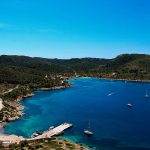
The Balearic Islands are an archipelago in the western Mediterranean and belong to Spain. They include the four inhabited main islands of Mallorca, Menorca, Ibiza and Formentera, the Cabrera archipelago, a national park off the south coast of Mallorca, and many small rocky islets. Each island has its own character: Mallorca with its mountains and capital city, Menorca as a quiet biosphere reserve, Ibiza between clubs and peaceful coves, Formentera with beaches that look almost Caribbean. Here you will find an overview of all the islands, a map, the climate, the natural parks and news from the Balearics.
Explore by island
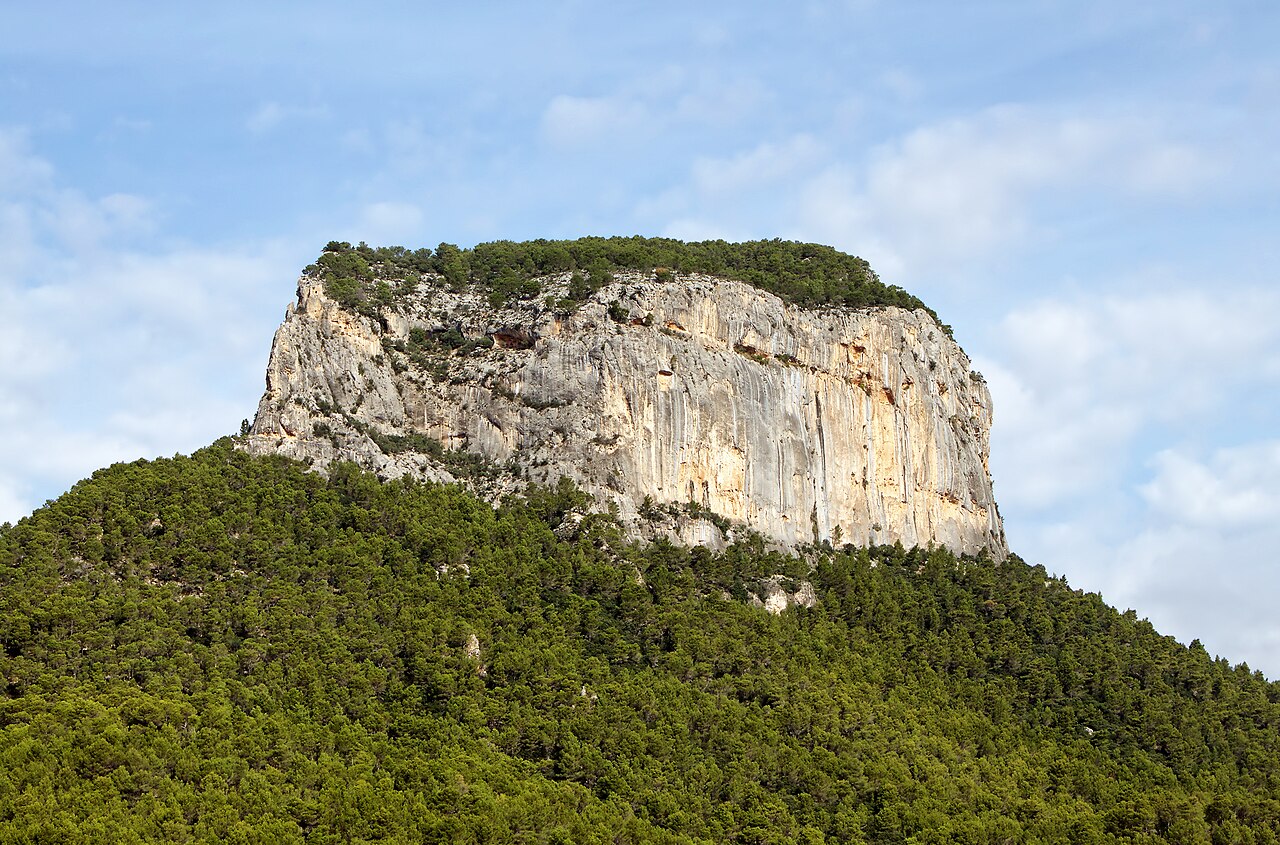
 Mallorca
Tramuntana, Palma, beaches
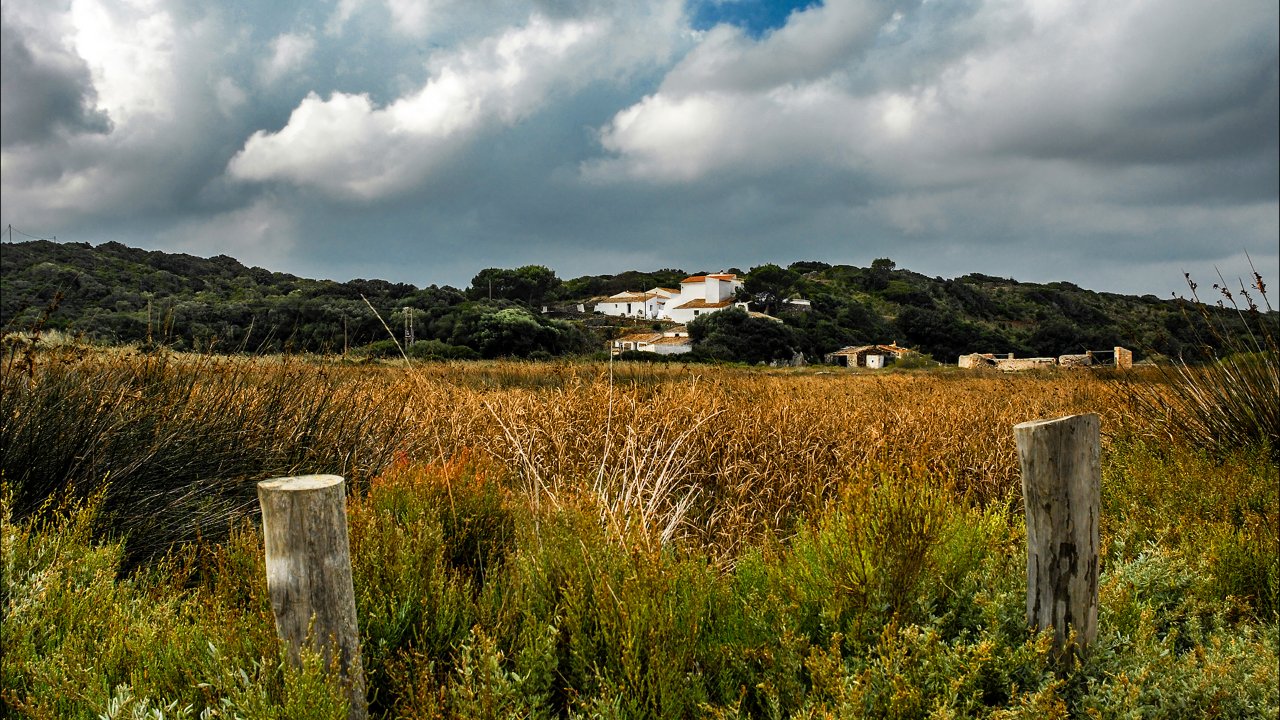 Menorca
Biosphere reserve and coves
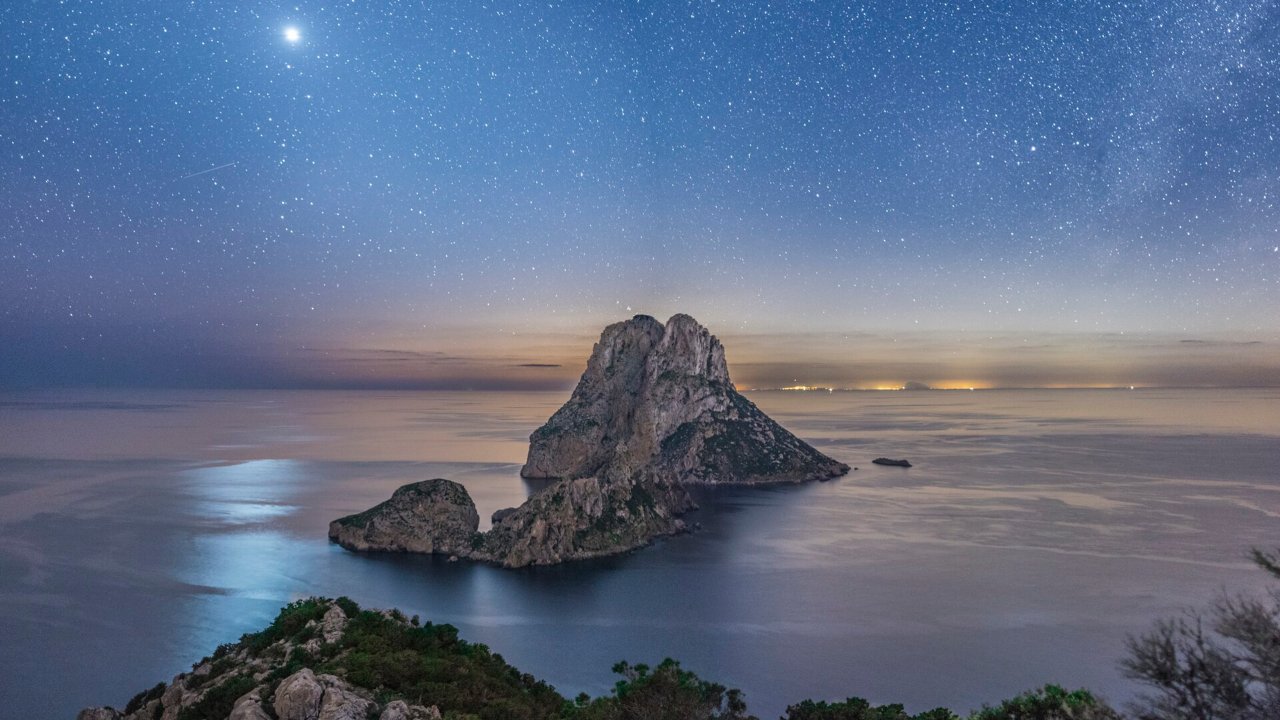 Ibiza
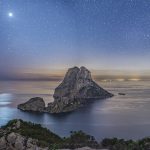
Old town, coves, Es Vedrà
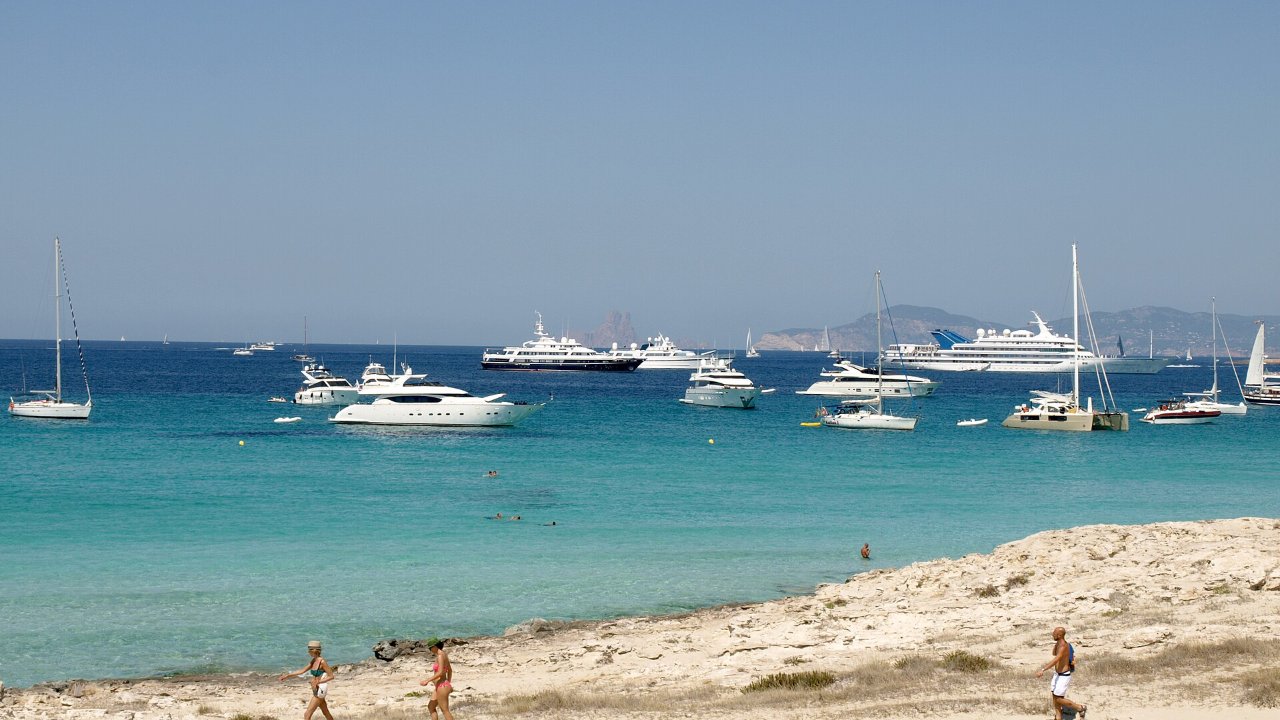 Formentera
Beaches and cycle routes
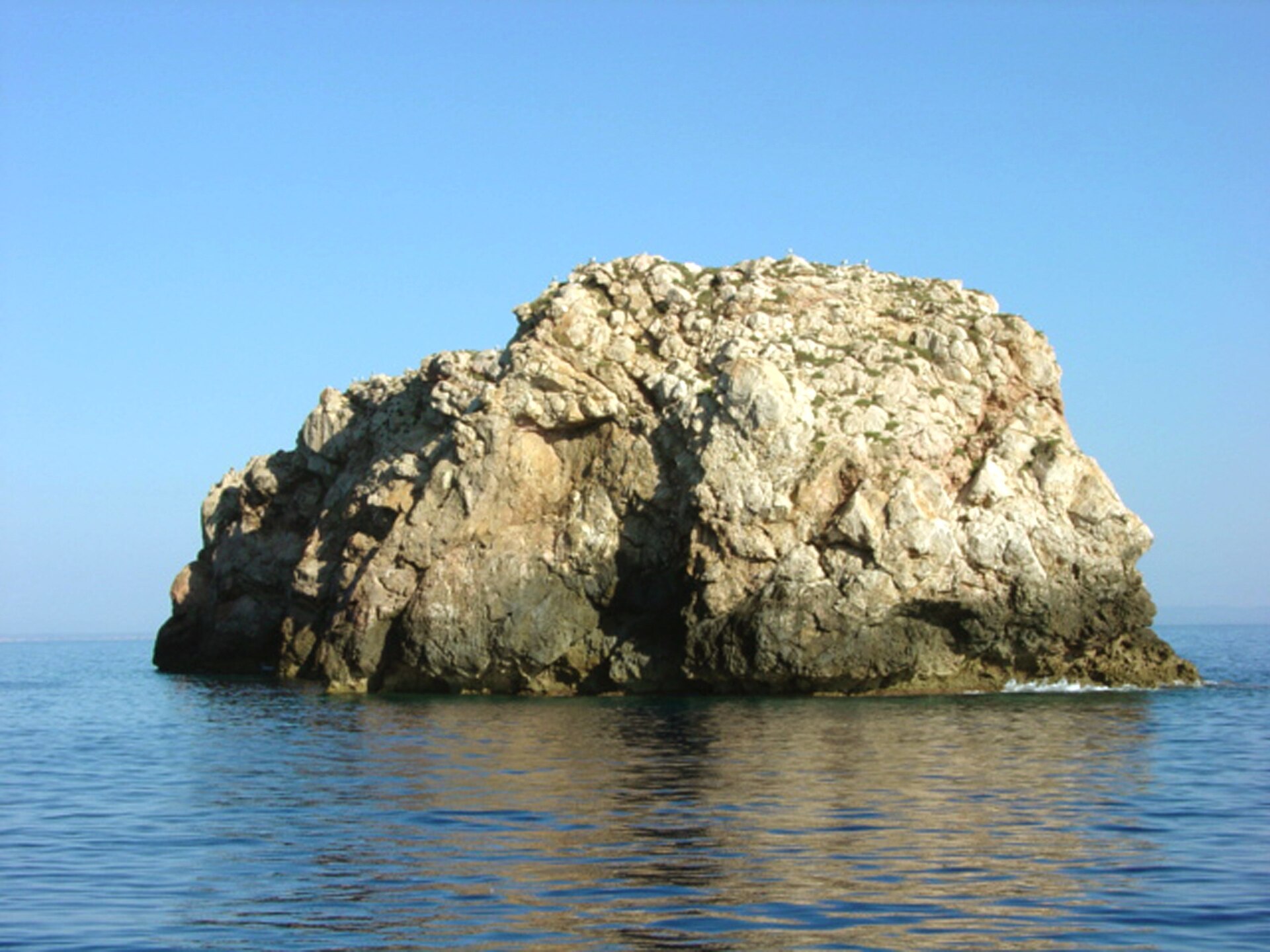
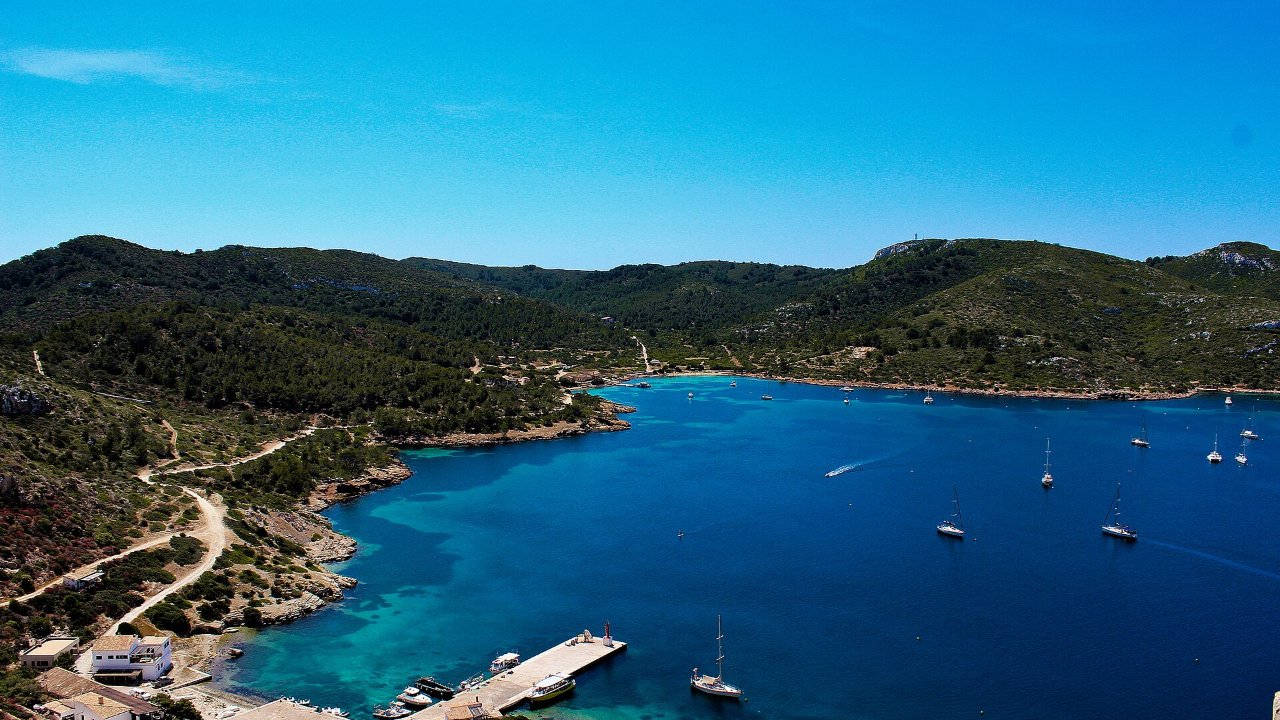 Cabrera
National park
The Balearic Islands at a glance
| Location | western Mediterranean, about 80 to 300 kilometres east of the Spanish coast |
| Islands | Mallorca, Menorca, Ibiza, Formentera, Cabrera and many small islets |
| Area | about 5,000 km², of which Mallorca alone is around 3,640 km² |
| Population | about 1.2 million |
| Capital | Palma, on Mallorca |
| Government | autonomous community of Spain (Illes Balears) |
| Languages | Catalan and Spanish |
| Flight time from the UK | about two to two and a half hours |
Geographically there are two groups: Mallorca, Menorca and Cabrera form the Gymnesian Islands, while Ibiza and Formentera make up the Pityusic Islands in the south-west.
Where are the Balearic Islands? Map of the islands
The islands lie east of Valencia and south of Barcelona. Mallorca is the largest and the central island, and Menorca lies about 40 kilometres to the north-east. Ibiza and Formentera are around 80 kilometres south-west of Mallorca, and Cabrera is about ten kilometres off Mallorca’s south coast.
Map: © OpenStreetMap contributors. View larger map
The islands in brief
Mallorca
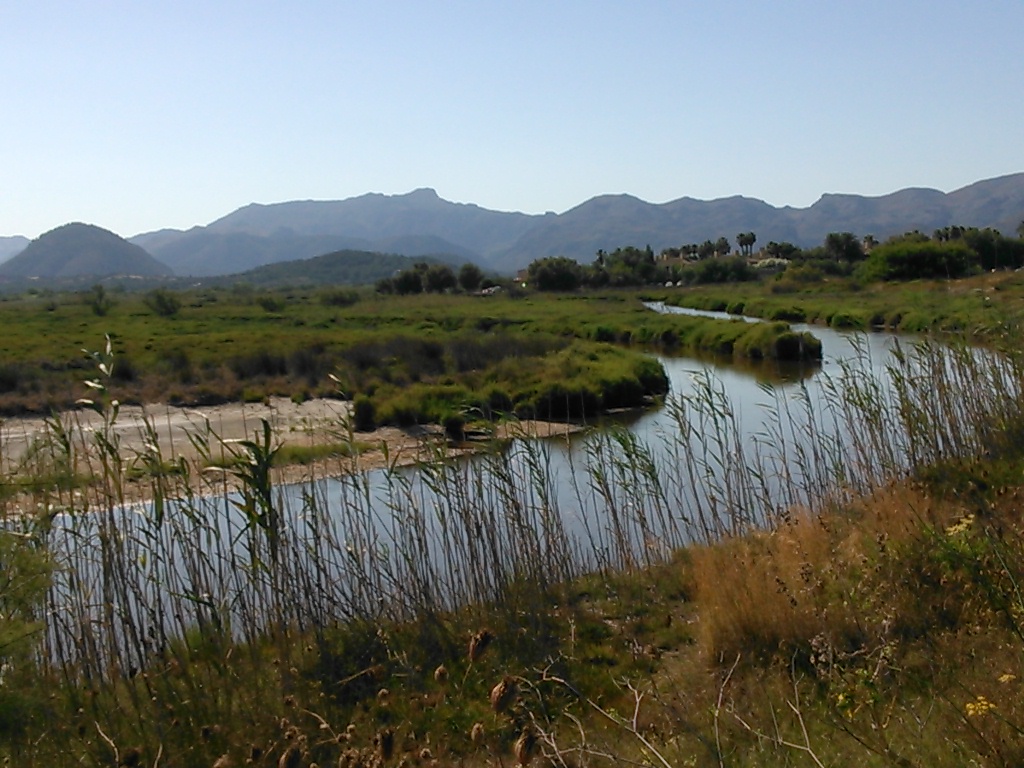
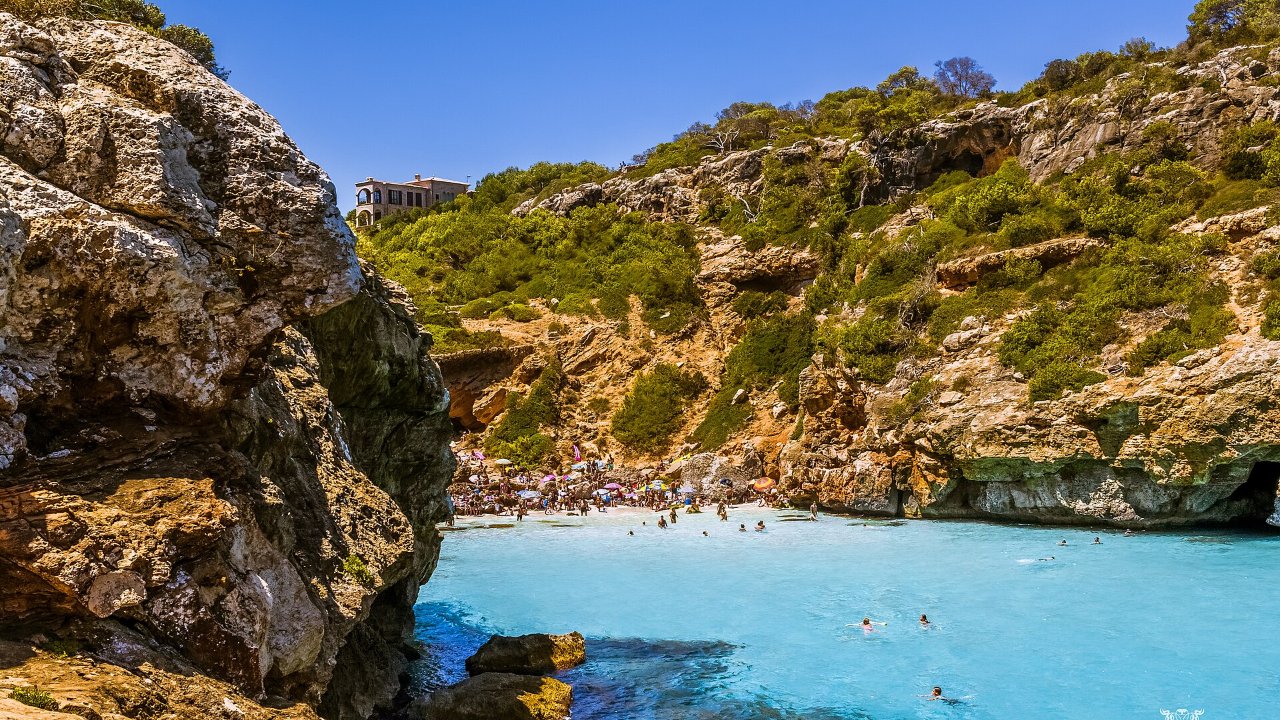
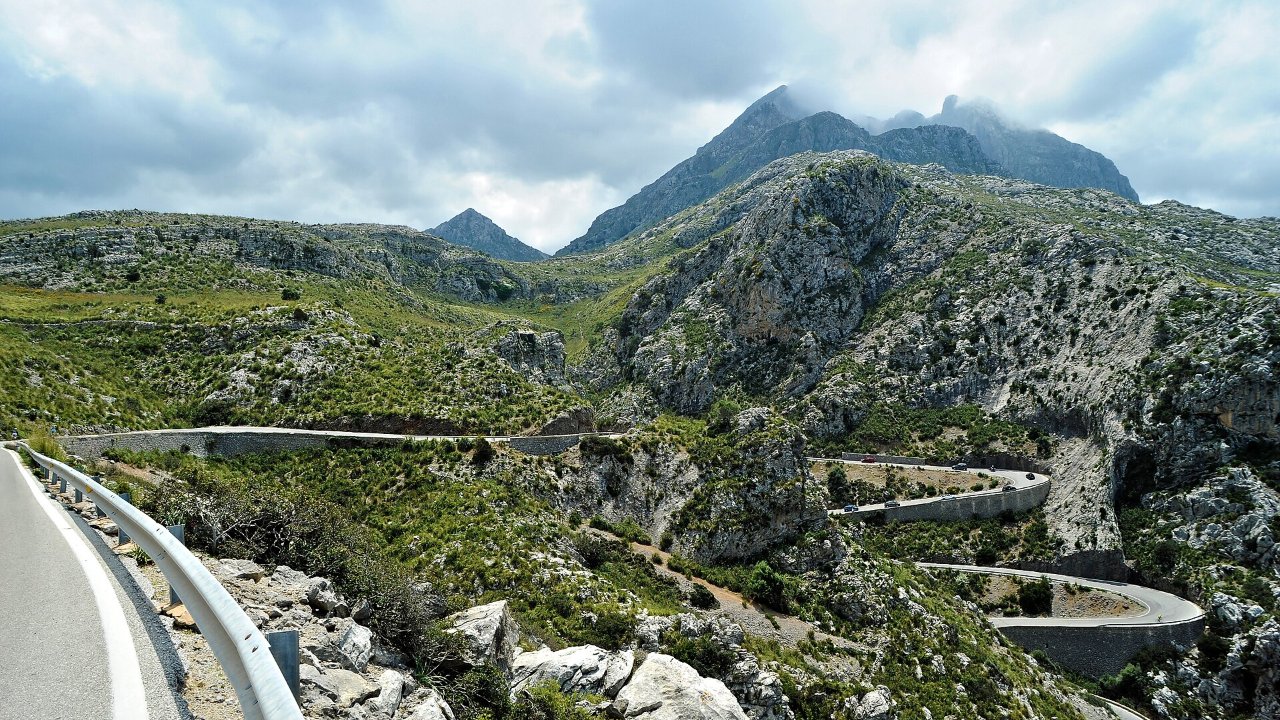
The largest island, with over 900,000 inhabitants and the capital, Palma. In the north-west the Serra de Tramuntana runs along the coast, a UNESCO World Heritage Site since 2011. There are also wetlands such as s’Albufera, long beaches in the south and many small coves. Mallorca offers the most variety and is easy to reach all year round. Mallorca travel guide
Menorca
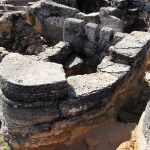
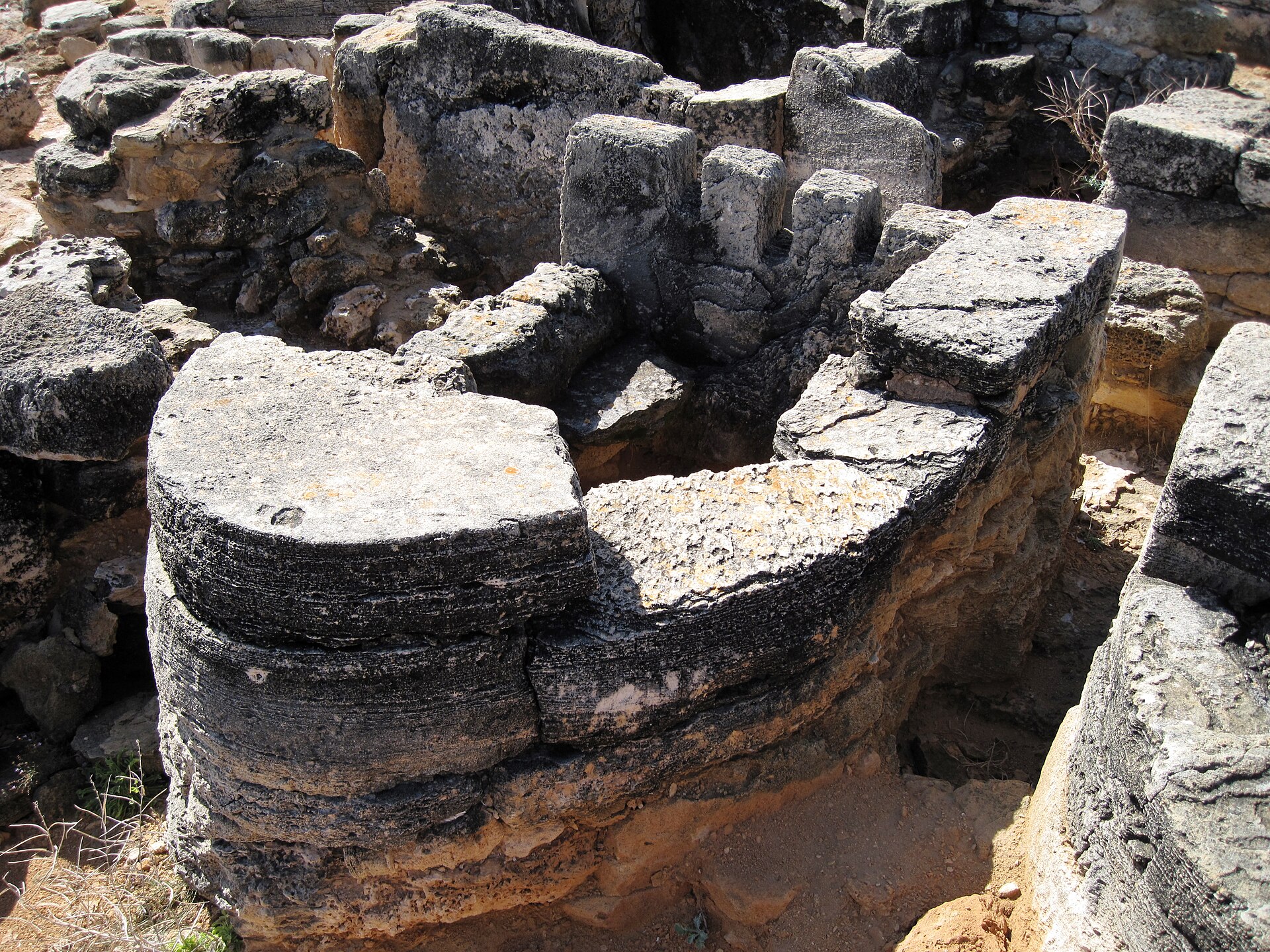
Quieter and less developed than Mallorca, and a UNESCO Biosphere Reserve since 1993. Known for coves with turquoise water, the round-the-island Camí de Cavalls trail and the stone monuments of the Talaiotic culture, a World Heritage Site since 2023. The main towns are Maó and Ciutadella. Menorca travel guide
Ibiza
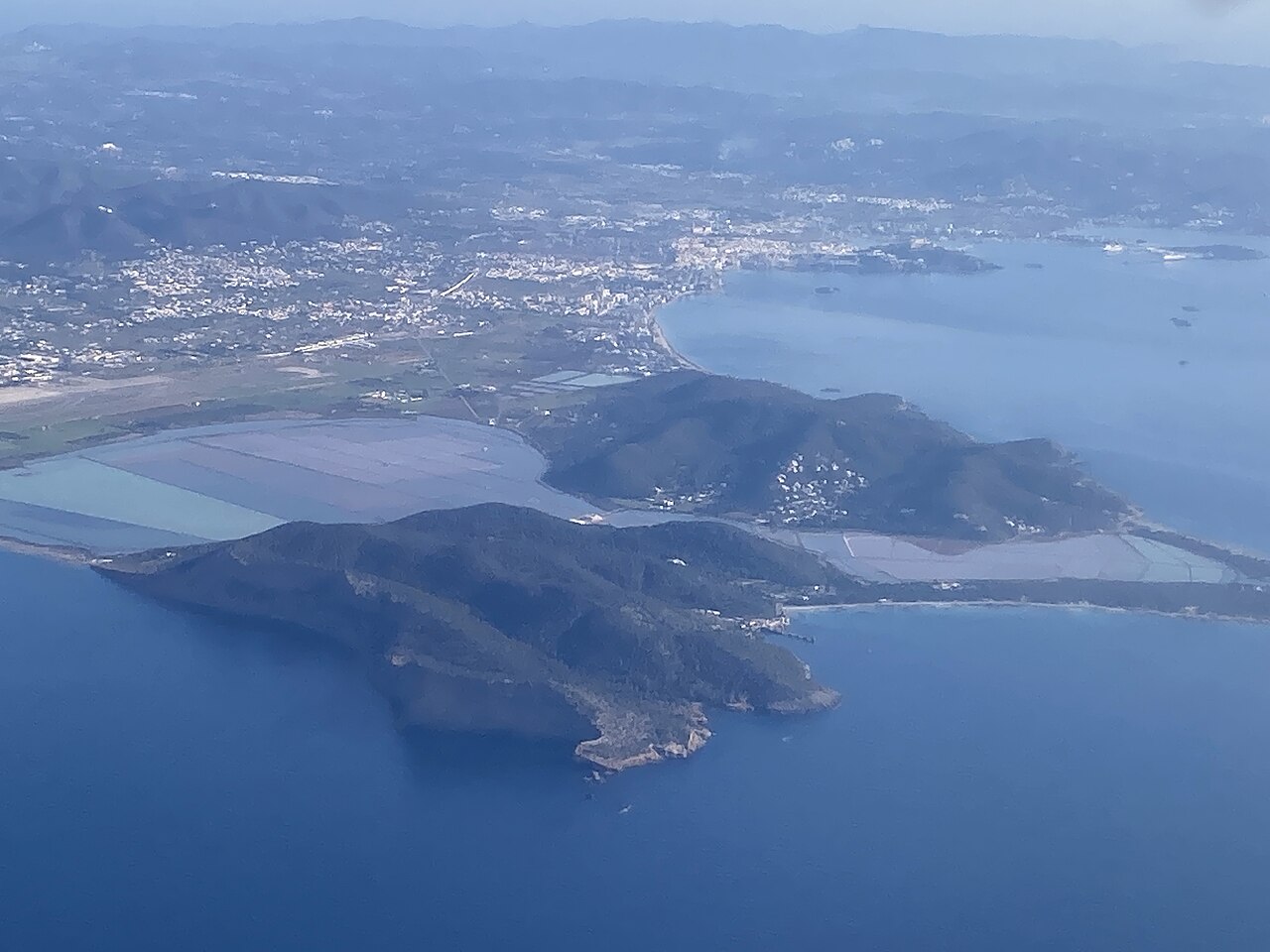
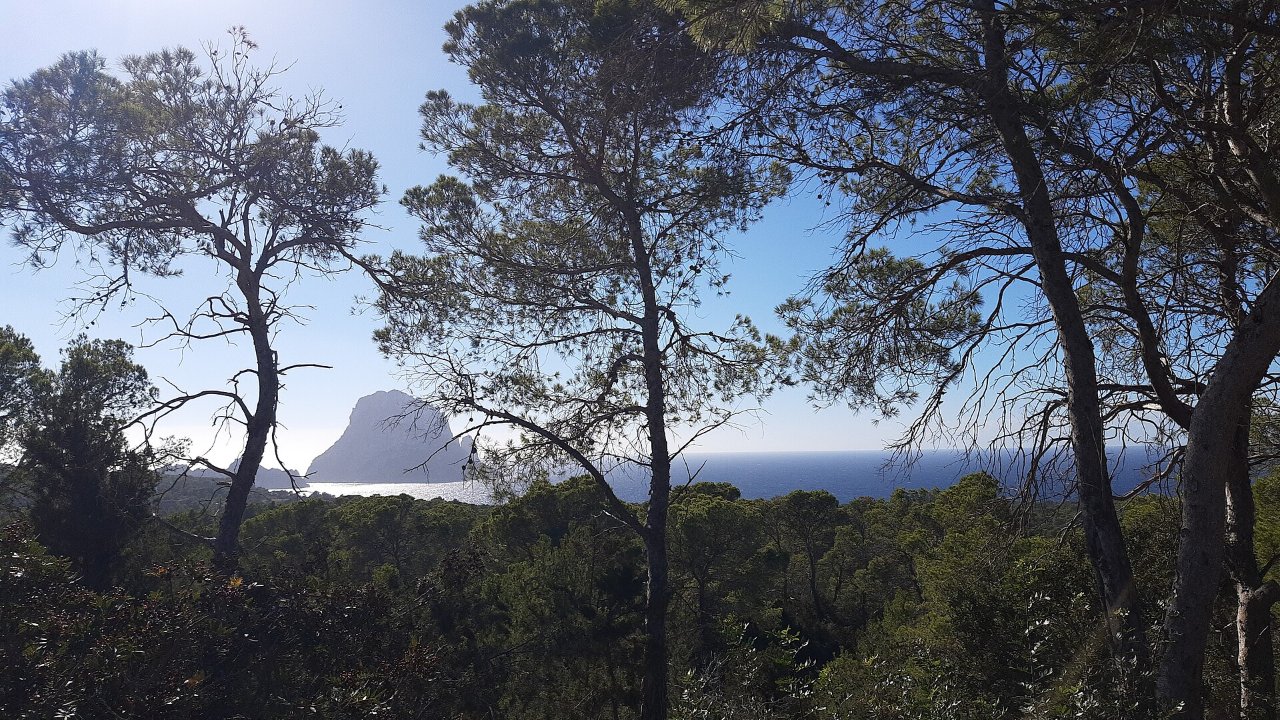
World famous for its nightlife, but away from the clubs an island with a fortified old town, a rural north and a natural park in the south. Dalt Vila in Ibiza Town is a UNESCO World Heritage Site, and the rock of Es Vedrà rises off the west coast. Ibiza travel guide
Formentera
The smallest inhabited main island, reachable only by boat from Ibiza. Long pale beaches such as Ses Illetes, clear water over Posidonia meadows and flat lanes that are best explored by bike. Formentera travel guide
Cabrera
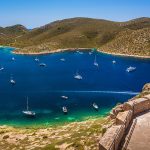
An uninhabited archipelago south of Mallorca and a land and marine national park since 1991. Excursion boats leave from Colònia de Sant Jordi, and visitor numbers are limited. Cabrera island guide · Cabrera National Park
The islands compared
| Island | Area | Population | Getting there | Character |
|---|---|---|---|---|
| Mallorca | about 3,640 km² | over 900,000 | Palma airport, all year | varied: city, mountains, beaches |
| Menorca | about 695 km² | about 100,000 | Maó airport, mainly in season | quiet, unspoilt coves |
| Ibiza | about 572 km² | about 150,000 | Ibiza airport, mainly in season | nightlife, old town, coves |
| Formentera | about 83 km² | about 12,000 | ferry from Ibiza | beaches, cycling island |
| Cabrera | about 13 km² of land | no permanent residents | excursion boat from Mallorca | national park |
Which Balearic island is best for you?
- Variety, towns and walking: Mallorca, with Palma, the Tramuntana and beaches for every taste.
- Peace, nature and family holidays: Menorca, with small towns, shallow coves and little hustle.
- Nightlife and sunsets: Ibiza, with its famous clubs in summer and surprisingly calm out of season.
- Beaches and slowing down: Formentera, ideal by bike and for a few days without a car.
- Unspoilt nature: a day trip to Cabrera National Park.
So there is no single most beautiful island; it depends on what you are looking for. Many visitors combine two islands, such as Ibiza with Formentera or Mallorca with Menorca, as the ferry crossings are short.
Weather and best time to visit the Balearics
The climate is Mediterranean: hot, dry summers and mild winters with some rain, mostly in autumn. In Palma the average daytime high is a little over 15 °C in January and just under 30 °C in August. Ibiza and Formentera are the driest, while Menorca is slightly cooler and windier (AEMET, 1981 to 2010 averages). June to September is best for swimming, spring and autumn for walking and cycling.
Natural parks and protected areas
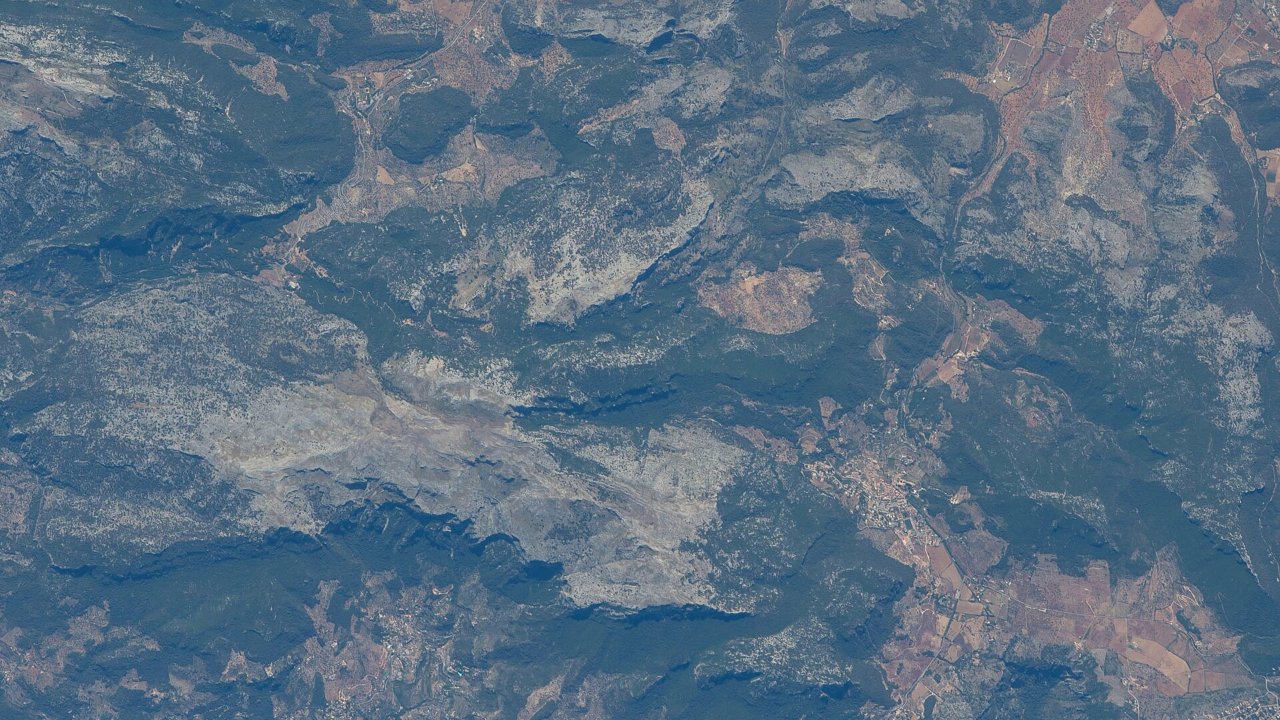
A large part of the islands is protected, from high mountains and wetlands to marine reserves. The main areas:
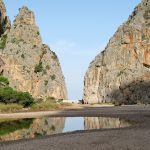
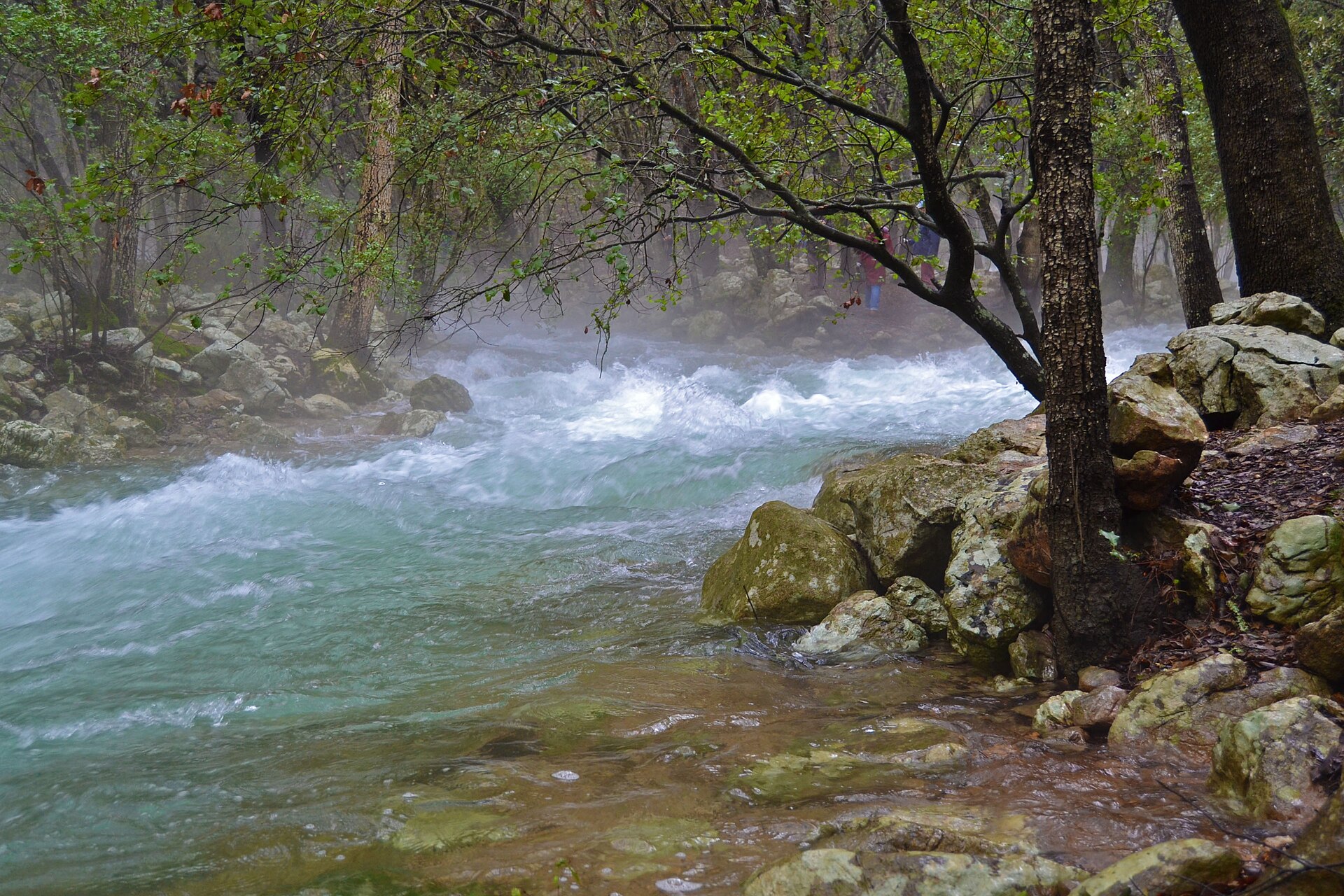
- Mallorca: Serra de Tramuntana, s’Albufera de Mallorca, Mondragó, Península de Llevant, Es Trenc-Salobrar de Campos, Sa Dragonera, Torrent de Pareis, Fonts Ufanes, s’Albufereta and Son Real
- Menorca: s’Albufera des Grau
- Ibiza and Formentera: Ses Salines and Es Vedrà, Es Vedranell and the Western Islets
- Cabrera: Cabrera National Park
All areas with descriptions are on our natural parks page. Mountain refuges and recreational areas are listed under shelters and recreational areas.
Festivals and traditions
The Balearic year is full of festivals, many of them going back to saints’ days. In mid January Mallorca celebrates Sant Antoni with bonfires, devil figures and the blessing of animals, especially in Sa Pobla and Manacor. In May Sóller re-enacts the defence against a 16th century pirate raid in Es Firó. On 23 and 24 June, during the Sant Joan festival in Ciutadella on Menorca, horses dance through the crowds. In summer many towns hold their patron saint festivals with music, parades and fireworks, and on Christmas Eve the Song of the Sibyl is sung in many churches.
Food from the Balearics
Among the best known specialities are the ensaïmada, a spiral shaped pastry from Mallorca, and sobrassada, a soft cured sausage seasoned with paprika. A simple classic is pa amb oli, bread with tomato, olive oil and toppings. Menorca is known for its Mahón-Menorca cheese and the spiny lobster stew caldereta de llagosta, Ibiza for flaó, a cheesecake with mint. After a meal, a herbal liqueur called hierbas is often served.
Life on the islands
The Balearics are not just a holiday destination but also home to about 1.2 million people, including many from the UK. Tourism is the main industry: in summer the islands run at full speed, while in winter many places become quiet. Housing shortages, traffic, water supply and the protection of nature are issues all year round. Balears Natura reports on the islands’ natural areas and on what is happening on the Balearics.
Getting to the Balearic Islands
Mallorca, Menorca and Ibiza have their own airports. Palma has direct flights from many UK airports all year round, Menorca and Ibiza mainly in the season from April to October. Ferries link the islands with Barcelona, Valencia and Dénia and with each other. Formentera can only be reached by boat from Ibiza.
Frequently asked questions about the Balearic Islands
What are the Balearic Islands called?
The four inhabited main islands are Mallorca, Menorca, Ibiza and Formentera. The fifth larger island is Cabrera, a national park without permanent residents. There are also smaller islands such as Dragonera, Conillera and Espalmador.
What is the capital of the Balearic Islands?
Palma, on Mallorca. It is the seat of the Balearic government and parliament.
What is the difference between the Balearic and the Canary Islands?
The Balearics lie in the Mediterranean east of Spain, the Canary Islands in the Atlantic off the west coast of Africa. The Canaries are volcanic and warm all year, while the Balearics have more distinct seasons with hot summers and cooler winters. The flight from the UK to the Balearics is also considerably shorter.
Which Balearic island is the most beautiful?
That depends on what you want: Mallorca for variety, Menorca for peace, Ibiza for nightlife and coves, Formentera for beaches.
How do you travel between the Balearic Islands?
By ferry or plane. Ferries run, for example, between Alcúdia and Ciutadella, between Palma and Ibiza, and several times a day between Ibiza and Formentera. There are also short domestic flights between Palma, Maó and Ibiza.
What language is spoken in the Balearic Islands?
The official languages are Catalan and Spanish. Each island has its own variety of Catalan, such as Mallorquí and Menorquí. In tourist areas English is widely spoken.
When is the best time to visit the Balearic Islands?
June to September for a beach holiday, April to June and September and October for walking and touring.
Latest reports from the islands and the parks are in our news section.