Mondragó Natural Park
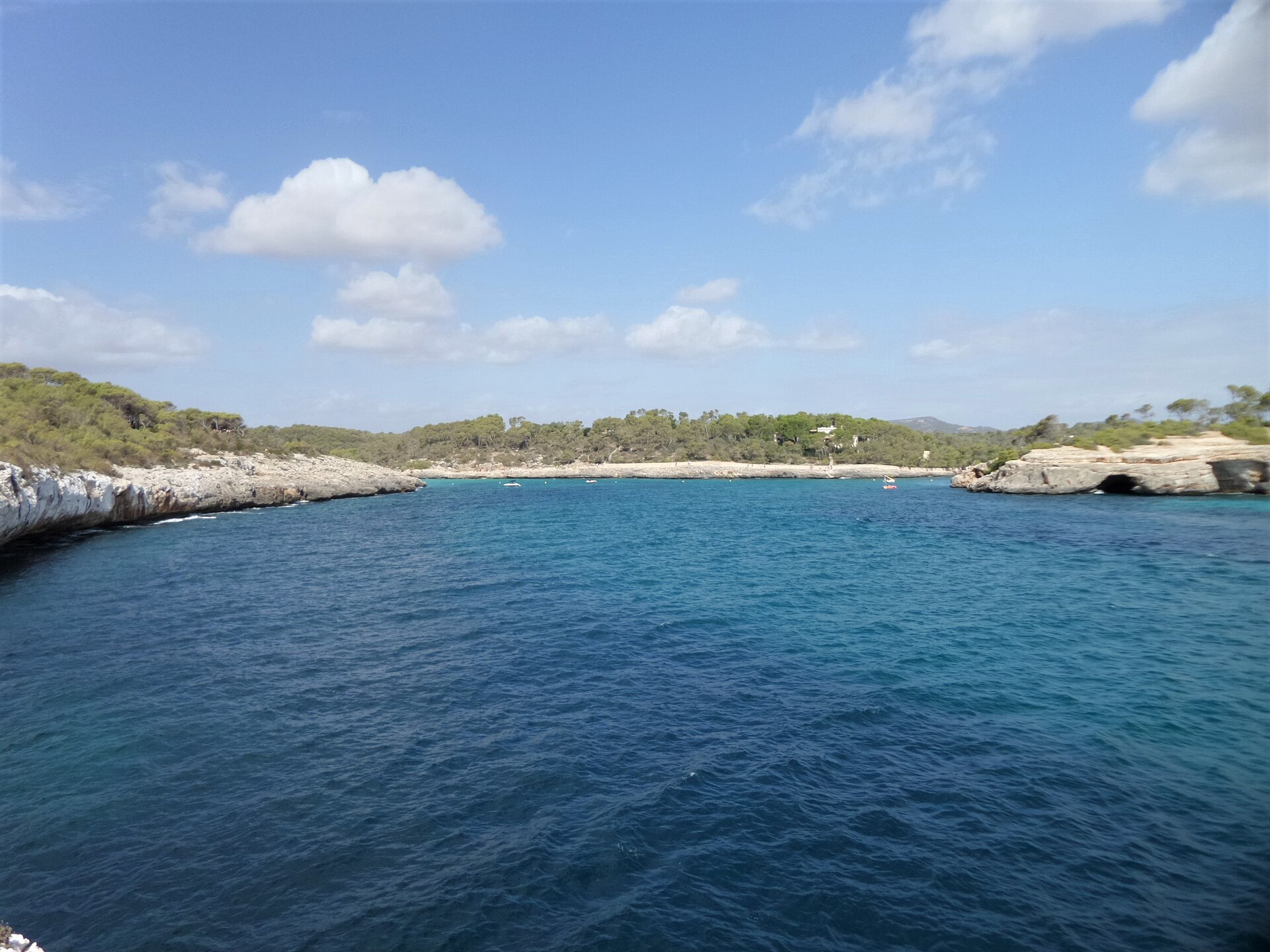
The Mondragó Natural Park is located in the south of Mallorca, in the municipal area of Santanyí, and has a surface area of 766 hectares. While 95 hectares of the Park are public property, the rest of the park sits on privately owned land and estates, which, often divided into plots, are generally occupied by extensive dry crop cultivation. Mondragó was declared a Natural Park in 1992.
It is also a Natural Area of Special Interest (ANEI) and forms part of the Balearic contribution to the Natura 2000 Network as an Area of Special Protection for Birds and a Site of Community Interest (SCI).
Centuries of agricultural and livestock activity have undeniably shaped and defined the landscape of this area. The many architectural features found here include dry stone walls and the rustic sheds that served as temporary shelters for those who cultivated the poor fields, the rotes. These structures are often made of beams or bear a conical roof, locally known as curucull. Less common are the stone hillside terraces, which sit alongside streambeds and in gullies. Other traditional structures, such as waterwheels, irrigation ditches, water collection ponds and cisterns, are associated with the use of water.
Here there are also constructions that bear witness to the use of the forest. These include charcoal mounds, the charcoal makers’ sheds and lime kilns, as well as other features, such as slipways for boats, sandstone quarries, small defence towers and smugglers’ hiding places.
The name of S’Amarador evokes a past use of the ponds as retting sites, where bundles of flax and hemp were submerged for different lengths of time to attain plant fibres. Tree trunks were also submerged here, making them more resistant, for later use as construction materials in boats and as beams for houses.
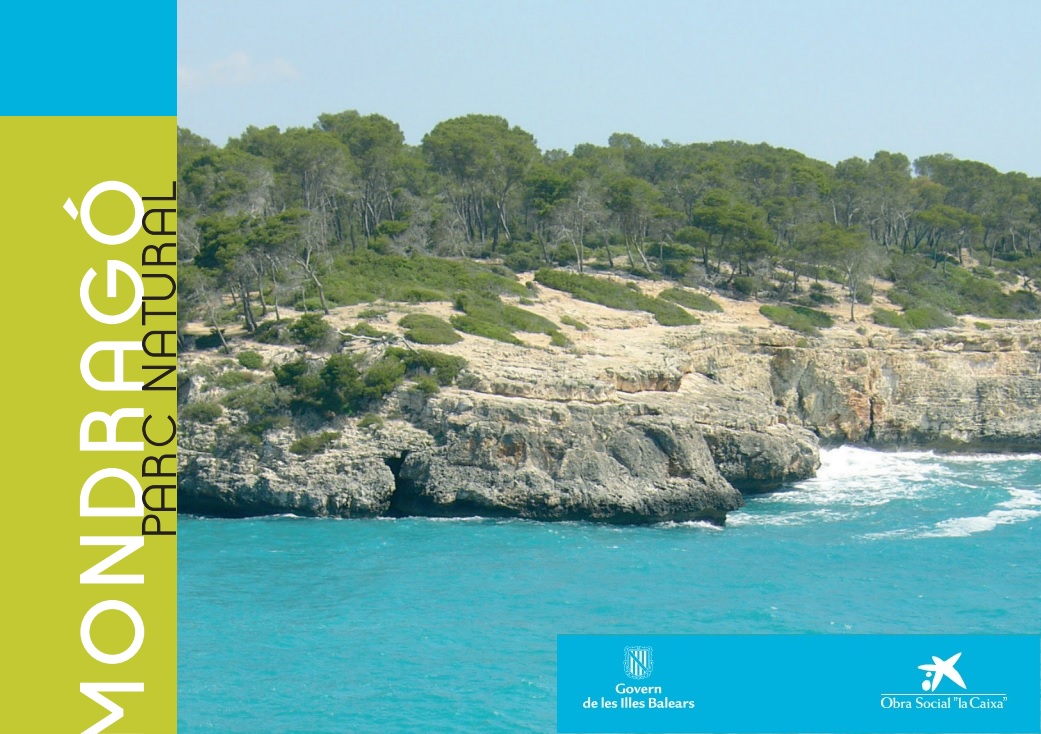
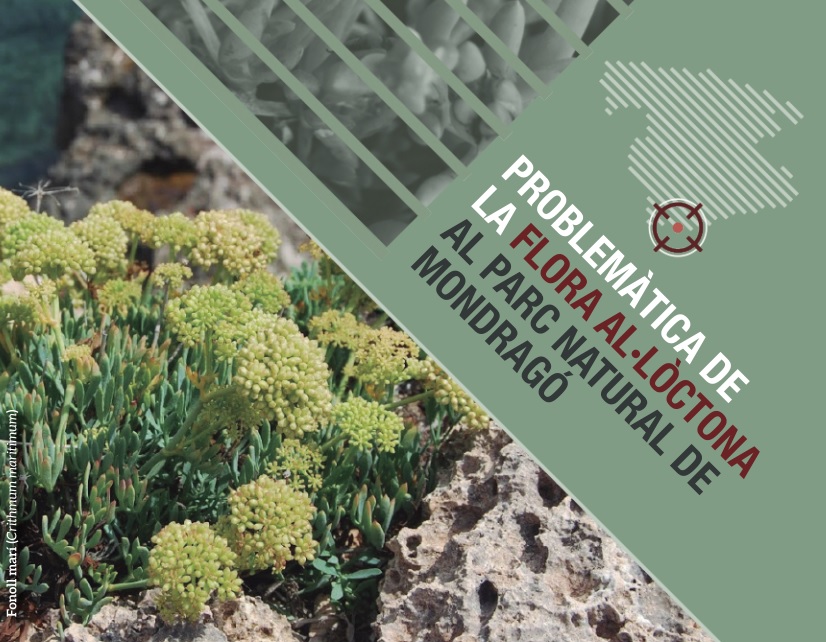
Fulletó FLORA CAT, Folleto FLORA ES, Brochure FLORA EN
Cover photo: Xxlstier, Wikimedia Commons, CC BY-SA 4.0