

Formentera travel guide: beaches, cycling and nature
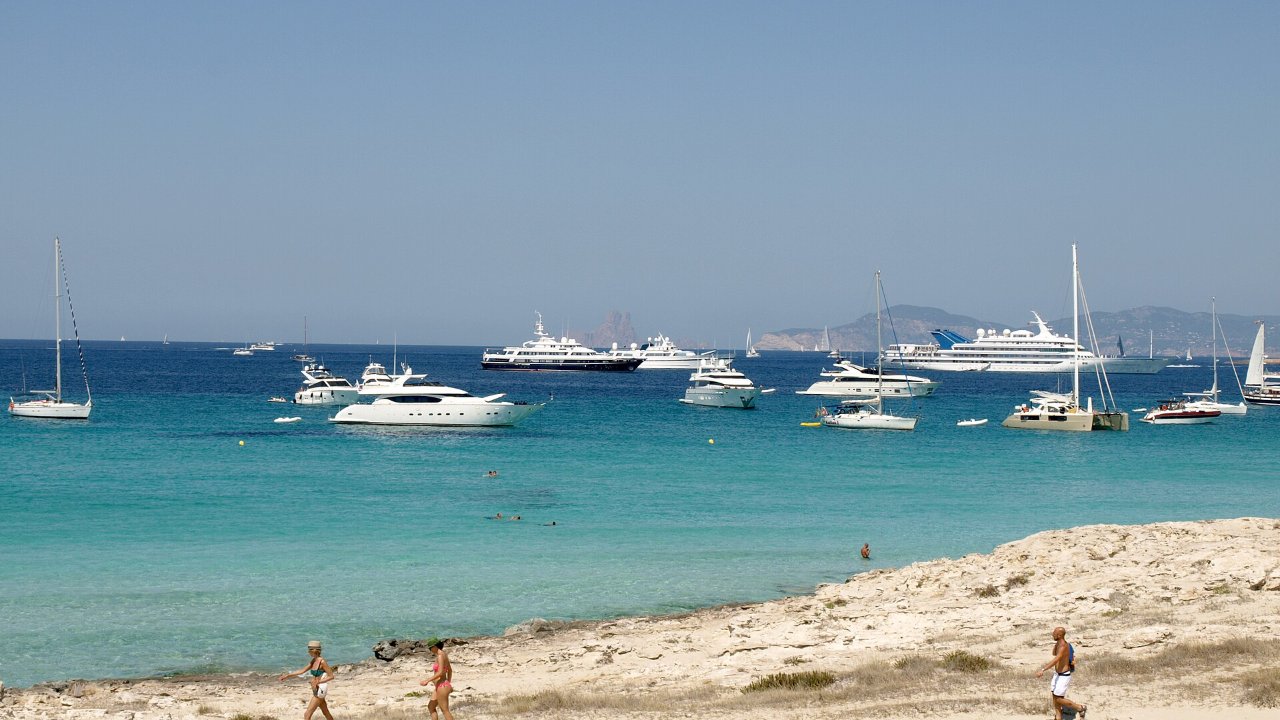
Formentera is the smallest of the four main Balearic Islands and the most relaxed. There is no airport, no high-rise and only a few roads, but there are long beaches with pale sand and water in colours you would expect in the Caribbean. Most visitors come over by boat from Ibiza, many just for the day. Those who stay longer find an island that is easy to explore by bike.
Formentera at a glance
| Area | about 83 km², some 19 km from La Savina to La Mola lighthouse |
| Main town | Sant Francesc Xavier; port at La Savina |
| Population | about 12,000 |
| Highest point | La Mola plateau in the east, about 190 m |
| Getting there | no airport, ferries from Ibiza Town |
| Protection | Ses Salines d’Eivissa i Formentera Natural Park; the Posidonia seagrass meadows are part of a UNESCO World Heritage Site |
Map: location and regions
Formentera lies a few kilometres south of Ibiza. The island is made up of two plateaus joined by a narrow isthmus: to the west the flat land around Sant Francesc and Cap de Barbaria, to the east the La Mola plateau with steep cliffs. To the north a long sand spit with the beaches of Ses Illetes and Llevant points towards Ibiza.
Map: © OpenStreetMap contributors. View larger map
Beaches
The beaches are the main reason to visit. The water is so clear because large Posidonia seagrass meadows grow offshore, filtering the sea and protecting the sand.
- Ses Illetes (north): the island’s best known beach, on a narrow spit inside the natural park.
- Llevant (north): the quieter side of the same spit, often a little windier.
- Migjorn (south): a beach several kilometres long with dunes and small beach bars.
- Cala Saona (west): a cove between reddish rocks, popular at sunset.
- Es Caló (north-east): a small natural harbour with fishing boats at the foot of La Mola.
Nature: Ses Salines Natural Park
The north of Formentera is part of Ses Salines d’Eivissa i Formentera Natural Park. It includes the old salt pans, the two salt lakes Estany Pudent and Estany des Peix, the beaches of Ses Illetes and Llevant and the island of Espalmador. Water birds rest at the salt lakes in autumn and winter, sometimes including flamingos. Wooden walkways lead to the beaches to protect the fragile dunes, and in summer there is a charge for driving a car or scooter to Ses Illetes beach.
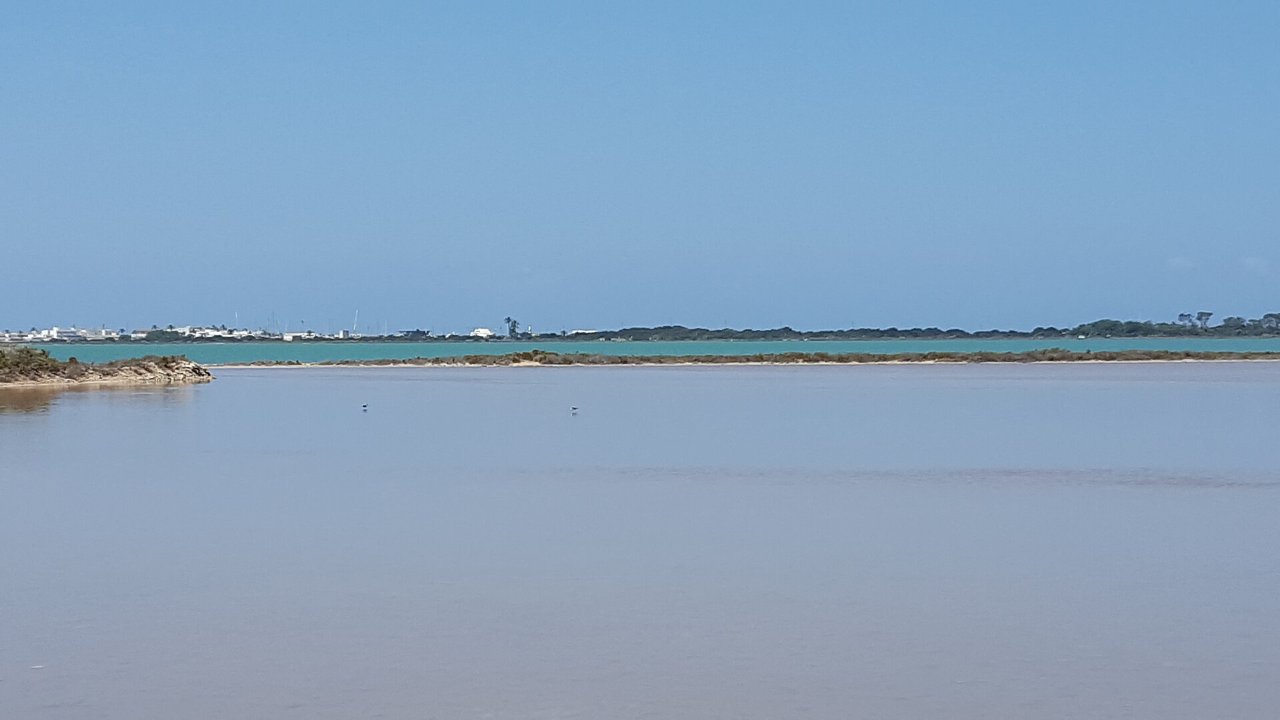
More: Ses Salines Natural Park (Ibiza and Formentera).
Villages and lighthouses
Sant Francesc Xavier and La Savina
The boats from Ibiza dock at La Savina, where you will find bike and scooter hire. A few kilometres further on is the main town, Sant Francesc Xavier, with a white fortified church, small shops and cafés around the church square.
Cap de Barbaria
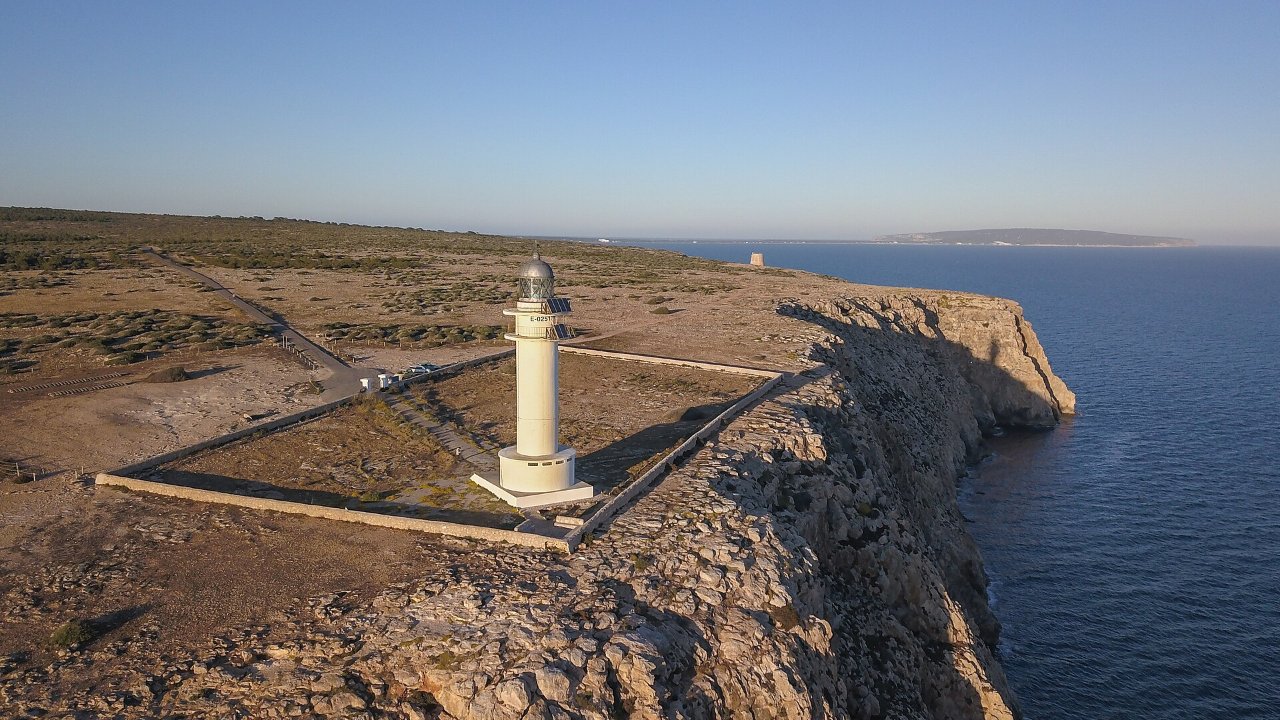
A narrow road crosses barren land to the lighthouse on the south-west cape. The cliffs drop steeply into the sea, and on a clear day the landscape looks almost like a desert. It gets busy at sunset.
La Mola and El Pilar de la Mola
The plateau in the east is greener than the rest of the island, with fields, fig trees and windmills. At the end of the road the Far de la Mola lighthouse stands on the cliffs, next to a monument to Jules Verne, who mentioned the place in one of his novels. In season the village of El Pilar de la Mola hosts a craft market.
Getting around by bike and on foot
Formentera is flat enough for cycling, and only the climb up to La Mola is steep. A network of signposted cycling and walking routes, the Circuits Verds, leads away from the main road through fields, woods and to the coast. A lovely walk is the old Camí de sa Pujada, which climbs from Es Caló up to La Mola. In high summer the number of cars on the island is limited; bikes, scooters and buses are the more practical options anyway.
Weather and best time to visit
The climate is the same as on Ibiza: dry and sunny, with daytime highs around 30 °C in high summer and about 16 °C in winter. June to September is best for swimming, May, June and October for cycling and walking. Many places to stay and beach bars open only from May to October.
Getting there
Formentera has no airport. You fly to Ibiza and take the boat from Ibiza Town harbour to La Savina. Several ferry companies sail throughout the day, and the crossing takes about 30 minutes to an hour depending on the boat. Cars can be taken on the ferry, but for a day trip it is hardly worth it.
Frequently asked questions about Formentera
Where is Formentera?
South of Ibiza in the western Mediterranean. Together with Ibiza, Formentera forms the Pityusic Islands, the southern group of the Balearics.
How do you get to Formentera?
Only by boat, usually from Ibiza Town harbour. The fast ferries take about half an hour.
Is a day trip to Formentera worth it?
Yes, a day is enough for Ses Illetes and a bike ride. For La Mola, Cap de Barbaria and the southern beaches, two or three days are more relaxed.
Do you need a car on Formentera?
No. The island is small, and bikes, scooters and the bus are enough.
More news is in the Ibiza and Formentera section, and an overview of all islands is on the home page.
Cover photo: Ses Illetes beach in Ses Salines Natural Park. Photo: MrPepanos, Wikimedia Commons, CC BY 3.0